
Vertical Automatic Pressure Filter: Working Cycle and Selection Checklist
Understand the TFP filtration cycle and the feed, washing, discharge and utility information needed for equipment selection.
Key Takeaways
- Review the complete cycle, including discharge and preparation for the next batch.
- Define cake, filtrate and washing requirements before comparing equipment.
- Base cycle settings and equipment size on representative material tests.
- Confirm utilities, automation interfaces and the supply scope together.
A vertical automatic pressure filter combines several operations in a programmed cycle. Understanding how those operations fit together helps a plant compare equipment proposals and prepare useful information for a supplier.
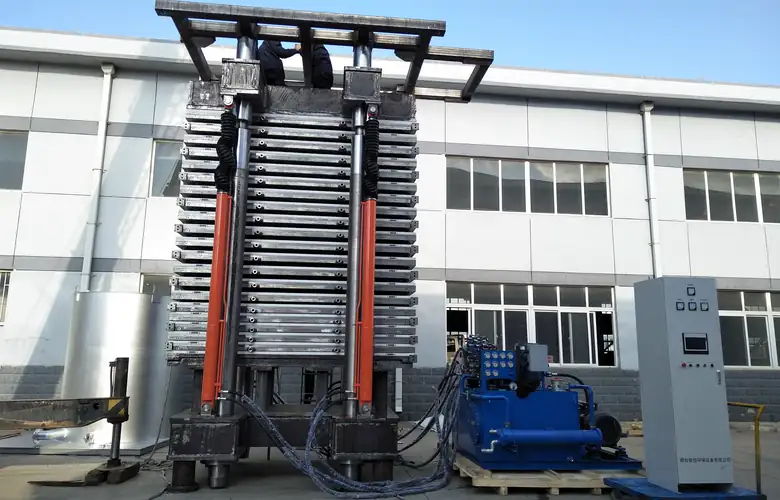
Hexin’s TFP Vertical Automatic Pressure Filter brings together slurry feeding, pressure filtration, diaphragm pressing, optional cake washing, air drying and automatic discharge. The selected sequence and operating settings depend on the slurry, test results and project requirements.
1. Slurry Feeding and Cake Formation
The feed pump delivers slurry into the filtration chambers. Liquid passes through the filter cloth while solids collect to form a cake. Feed concentration, particle-size distribution and slurry behavior influence how the cake develops.
For selection, provide both the slurry flow and the required dry-solids throughput when available. State normal operating conditions and expected variation. A flow figure alone does not describe the solids load that the filter must handle.
2. Pressure Filtration and Diaphragm Pressing
Pressure difference across the cloth drives liquid separation. Diaphragm pressing provides a further stage in which the cake is compressed using the configured pressing system.
These stages should be assessed against the required cake condition and the actual material response. The appropriate pressure settings and pressing duration belong in the project-specific technical proposal. Increasing a setting should not be assumed to deliver the same moisture improvement for every slurry.
3. Optional Cake Washing
Washing is considered when soluble material must be removed from the cake or when liquid recovery is part of the process objective. Define what must remain in the cake, what should leave with the liquid and how the collected liquids will be handled.
Representative tests should relate the washing method and liquid use to the agreed separation objective. The proposal should identify whether washing is included and how wash-liquid supply and filtrate collection connect to the plant. For relevant applications, review Hexin’s chemical slurry filtration solution.
4. Air Drying and Automatic Discharge
Where configured, compressed air helps remove liquid from the cake. The plate group then opens, and filter-cloth movement supports cake discharge. Cake release and downstream handling are part of the operating review, alongside filtration and pressing.
Discuss the compressed-air supply, discharge clearance, receiving equipment and maintenance access. A cake-moisture result should be reviewed together with its measurement basis, test conditions and the cake’s suitability for the next handling step.
5. Evaluate Throughput Across the Whole Cycle
Compare a complete cycle rather than the filtration stage alone. Feeding, pressing, any washing and drying, plate opening, discharge and preparation for the next cycle all occupy operating time.
Ask for the cycle assumptions behind a proposed capacity. The comparison should state the test material, feed condition, equipment configuration and operating schedule. Longer washing or drying may change the balance between the required product condition and throughput; the appropriate balance is established for the actual duty.
For concentrate duties, the filter also needs to fit the upstream feed and downstream cake-handling arrangement. See Hexin’s mineral concentrate filtration solution for the wider process context.
Selection Checklist: What to Send Before Model Selection
- Feed: material name, source process, solids concentration, particle-size data, temperature and relevant chemistry.
- Production: slurry flow, required dry-solids capacity, operating hours and expected feed variation.
- Cake and filtrate: cake destination, moisture target and measurement basis, filtrate destination and quality requirements.
- Washing: removal or recovery objective, available wash liquid and any existing test results.
- Site: installation space, utilities, compressed air, discharge interface and access requirements.
- Controls and scope: plant communication, monitoring needs, equipment boundaries and commissioning support.
Existing sample-test reports are useful when their conditions are recorded. Identify which results apply to the proposed feed and which points still need testing. This gives equipment suppliers a consistent basis for comparing configurations.
Frequently Asked Questions
Does every project need all six stages?
No. The selected cycle depends on the material and the process objective. Cake washing and other configuration choices should be specified in the technical proposal.
Can filtration area alone establish plant capacity?
No. Material behavior, cake requirements and complete cycle time also affect the duty. Compare the basis of the proposed capacity together with the equipment size.
What should be confirmed about automatic operation?
Confirm the agreed process sequence, monitoring and alarm requirements, plant interfaces and the responsibilities for supporting equipment. Review these items with the supplier before finalizing the scope.
Discuss Your Pressure Filtration Duty
Share your feed information, production requirement and cake or filtrate targets with Hexin. Material review and representative testing provide the basis for selecting a TFP configuration and defining its role in the plant.
Plan Your Pressure Filtration Project
Send your slurry data, washing requirements and site conditions for technical review.