Industrial process solution
Chemical Slurry Filtration
Filtration and cake washing around process chemistry
Chemical slurry filtration must balance cake formation, filtrate separation, washing duty and material compatibility. Hexin reviews the process liquid and solids before selecting a continuous vacuum or pressure-filtration route.
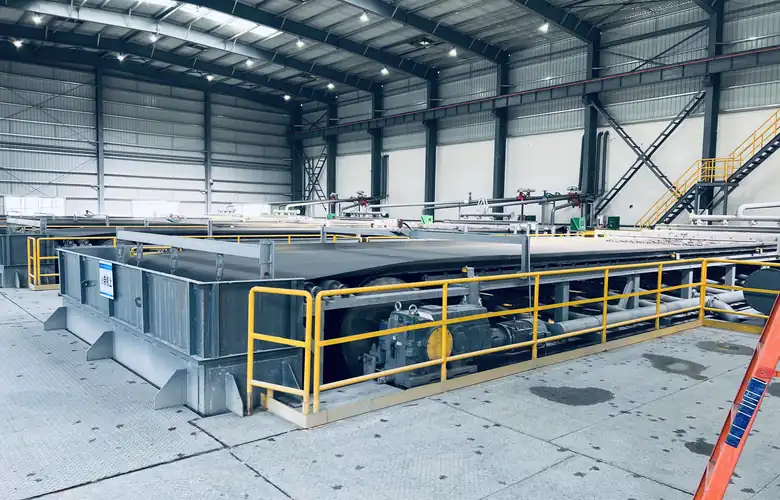 Hexin equipment reference photo
Start with the material
Start with chemistry and separation duty
A filter that works with one slurry may not suit another liquid or solid. Equipment and wetted-part choices follow the process data.
pH, temperature, solvent content and corrosion risk affect wetted materials and sealing.
Required impurity removal and wash-liquid consumption determine whether a wash stage is useful.
Define which stream is the product, allowable carryover and safe cake handling.
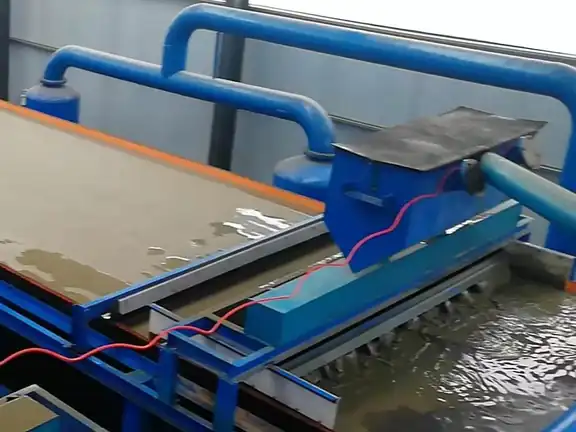
Process selection
Design the separation sequence
The process route is confirmed with representative slurry and liquid samples, not chosen by the industry label alone.
Define streams
Record feed composition, solids load, liquid value and product specification.
Test filterability
Check cake formation, filtration rate, wash response and cleaning needs.
Select materials
Match filter type and wetted components to process chemistry.
Integrate operation
Plan wash supply, filtrate segregation, discharge and controls.
Final equipment configuration and achievable results require representative material testing and project engineering.
Equipment in the process
Equipment options to evaluate
Compare these equipment routes against your slurry chemistry, filtration test results and plant duty.
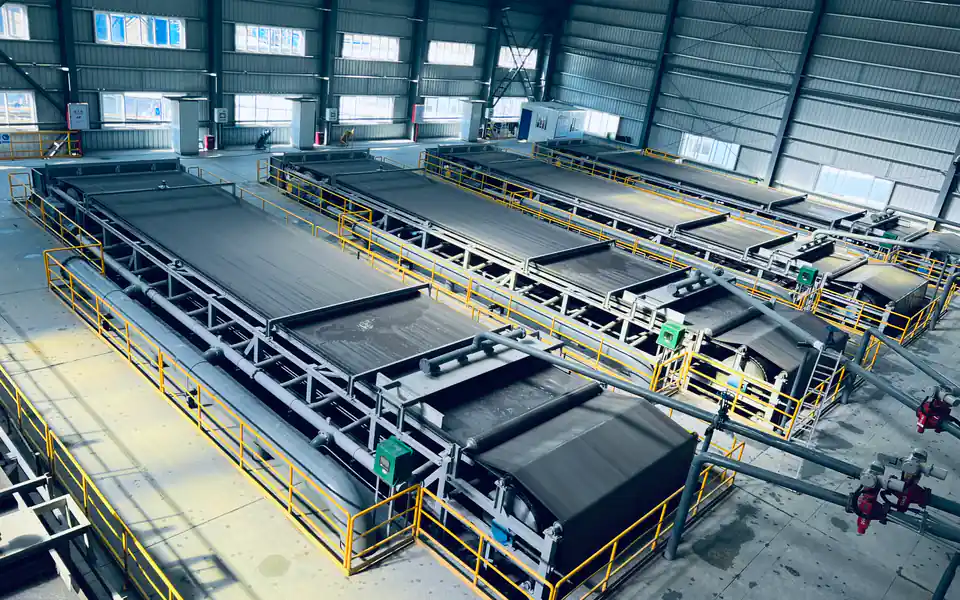
Horizontal Vacuum Filter
Continuous filtration with optional cake washing and cloth cleaning where the material supports it.
Explore Equipment →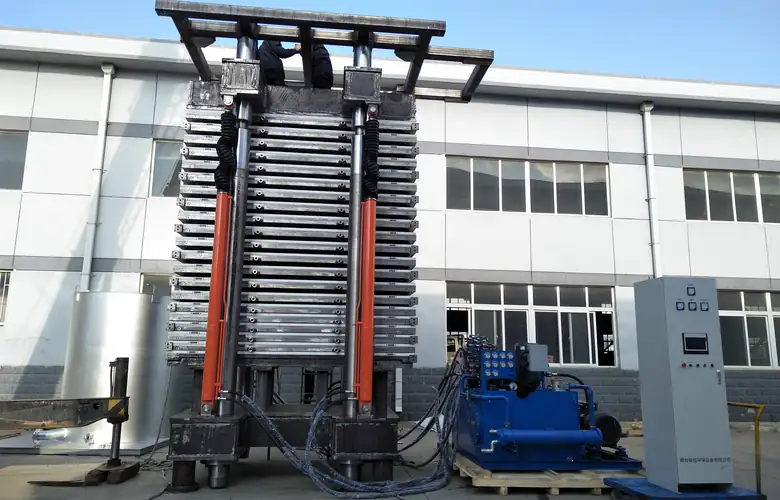
TFP Vertical Automatic Pressure Filter
An automatic pressure-cycle option for tested chemical slurry, washing and discharge requirements.
Explore Equipment →Confirm corrosion resistance, sealing, utilities and cleaning methods from the actual chemical composition before quotation.
Proof before specification
Checks before specifying a chemical filter
A reliable proposal needs test evidence and a defined material specification. A reliable proposal starts with filterability, wash and material-compatibility evidence.
Filterability record
Measure representative feed, cake behavior, filtrate clarity and throughput under realistic conditions.
Wash & recovery balance
Document wash sequence, liquid segregation, carryover limit and recovery objective.
Materials & acceptance
Agree wetted materials, inspection scope, operating limits and site acceptance criteria.
From selection to operation
Turn process data into a buildable scope
Hexin can discuss equipment supply and project support for suitable chemical filtration duties once the test basis is clear.
Technical review
Assess feed chemistry, solids and required cake or filtrate quality.
Equipment specification
Define material grade, filtration area, auxiliaries, washing and control interfaces.
Delivery support
Agree factory inspection, shipment, commissioning and operator guidance by contract scope.
Discuss your project
Evaluating a chemical slurry?
Share the process data needed for a responsible filtration proposal. A material sample or existing test report is especially useful.
- Slurry composition, pH, temperature and corrosive components
- Feed solids, particle size and hourly or daily capacity
- Cake washing, filtrate quality and residual-moisture target
- Project country, utilities and required supply scope