
Ceramic Vacuum Filter Maintenance: Plate Fouling and Vacuum Loss
A practical maintenance guide to separating ceramic plate fouling from vacuum-system faults, with inspection steps for steadier filtration.
Key Takeaways
- Compare filtrate flow and cake quality with a known clean operating baseline.
- Stable vacuum with declining flow points toward plate fouling or a changed feed.
- Falling or fluctuating vacuum calls for a check of pumps, seals, valves and lines.
- Change cycle settings only after the underlying cause has been identified.
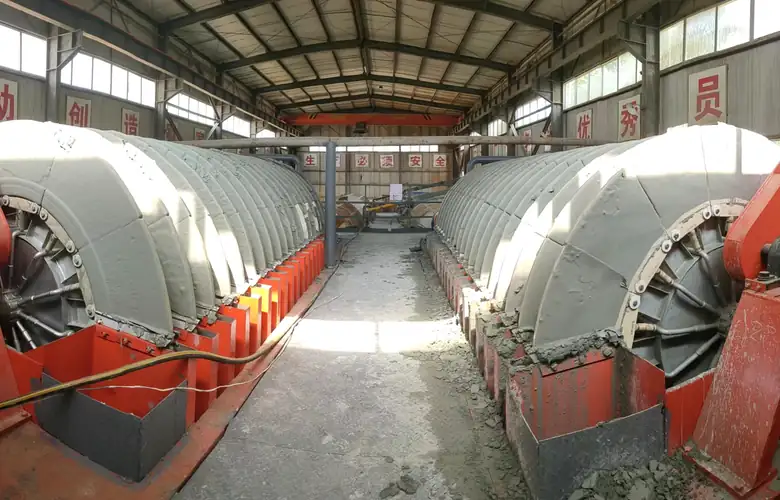
When a ceramic vacuum filter starts producing wetter cake or less filtrate, the cause is not always the same. The porous ceramic plates may be fouled, the vacuum system may be leaking, or the slurry may have changed. Treating every symptom as a cycle-time problem can hide the fault and prolong downtime.
This guide outlines a practical first-line inspection sequence for mineral-processing and industrial slurry applications. It is a troubleshooting framework, not a replacement for the equipment manual or site safety procedures.
Record a Clean Operating Baseline
Good diagnosis begins before a problem appears. Keep a record of vacuum level, feed solids concentration, filtrate flow, cake thickness, cake moisture and cycle settings when the machine is operating normally. Note the type of material and any upstream reagent changes. Without a baseline, a gradual decline is easy to miss.
Review the entire line, not just the filter. A different particle-size distribution or higher fine-solids content can reduce drainage even when every mechanical component is working correctly.
Check Ceramic Plate Permeability
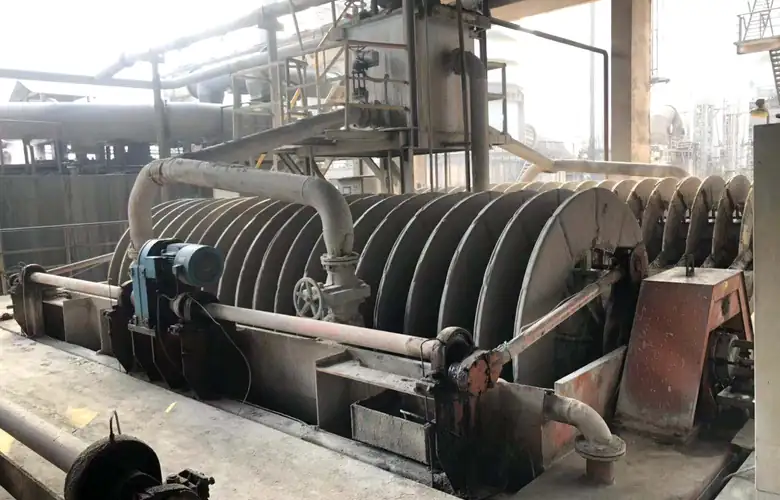
The ceramic plate is the filtration medium. Liquid passes through its porous surface while solids build a cake outside it. Fine particles, scale and process residues can increase flow resistance over time. If vacuum remains stable but filtrate volume falls gradually, inspect the plates and backwash circuit before changing the production setpoint.
Look for uneven performance between plate groups. A local issue may indicate a blocked passage, valve or section of piping rather than a machine-wide failure. Verify that backwash water or air reaches each circuit and that valves open at the intended point in the cycle.
Clean the Cause, Not Just the Surface
Routine backwashing should be checked first. If deeper plate cleaning is needed, follow the plate supplier’s approved method and site chemical-handling rules. Cleaning chemistry, concentration and exposure time are material-specific.
Trace Vacuum Loss Systematically
A sudden drop or unstable vacuum usually points away from simple gradual plate fouling. Inspect the vacuum pump, receiver, pipelines, flexible hoses, seals, valves and rotating connections. Check for air ingress, liquid carryover and blocked filtrate paths. Any leak can affect both cake formation and drying.
| Observed pattern | First checks | Possible direction |
|---|---|---|
| Vacuum stable; filtrate declines | Plate permeability, backwash, slurry changes | Fouling or feed variability |
| Vacuum falls abruptly | Hoses, seals, pump, receiver, valves | Leak or equipment fault |
| One disc group underperforms | Local circuit, valve, distribution | Section-specific blockage |
| Cake wetter after feed change | Solids concentration, fines, reagents | Process condition change |
Review the Filtration Cycle After Diagnosis
Cycle speed influences immersion, drying and discharge time. Slowing the machine may increase drying time, but it also changes throughput and does not repair a vacuum leak or a blocked plate. Start with the measured fault, restore normal mechanical and cleaning performance, then optimize cycle settings against the actual feed.
Watch cake release at discharge. Residue left on the plate may indicate scraper adjustment, plate condition or unsuitable feed behavior. Keep wash-water quality and availability in the review because ineffective cleaning can quickly reverse an otherwise successful adjustment.
Maintenance Data Worth Sending to Hexin
For a useful technical review, share operating readings together with the symptoms:
- Filter model and installed filtration area
- Material, solids concentration and recent feed changes
- Normal and current vacuum readings
- Normal and current filtrate flow
- Cake thickness and moisture trend
- Backwash pressure, frequency and water quality
- Whether the problem affects all plates or only one group
- Photos of the plate surface, piping and discharge zone
Frequently Asked Questions
Does low filtrate flow always mean the ceramic plates are blocked?
No. A change in slurry fines, solids concentration or feed chemistry can also reduce drainage. Compare vacuum and feed data with the clean baseline before concluding that plate cleaning is required.
Should the cycle be slowed when cake becomes wetter?
Not as the first response. Check vacuum stability, plate cleaning and feed conditions first. Adjust cycle speed only after the cause and throughput trade-off are understood.
Can any acid be used to clean ceramic plates?
No. Use only cleaning methods approved for the specific plate and equipment, with the site’s chemical and safety controls.
Share This Guide
Related News
View All News →
Need Support with Ceramic Filtration?
Share your material type, capacity, operating conditions and project country. Hexin can review suitable equipment and process options for your application.