Vacuum Belt Filter vs Automatic Pressure Filter: A Selection Guide
Compare continuous vacuum filtration and an automatic pressure cycle using slurry tests, cake washing, throughput and plant requirements.
Key Takeaways
- Compare the actual slurry duty before comparing equipment models.
- A vacuum belt route uses continuous cake formation; an automatic pressure filter follows a programmed cycle.
- Review washing, cake release and utilities alongside filtration results.
- Compare capacity on the same dry-solids, feed and operating-time basis.
A vacuum belt filter and an automatic pressure filter can both separate solids from slurry, but they organize the work differently. Selecting between them means checking how the material filters and how the equipment fits the production line. Neither route is the best choice for every slurry.
This guide compares Hexin’s BF horizontal vacuum filter with its TFP vertical automatic pressure filter. The aim is to prepare a useful equipment review, rather than choose from filtration area or a catalogue capacity alone.
1. Continuous Operation or a Programmed Cycle?
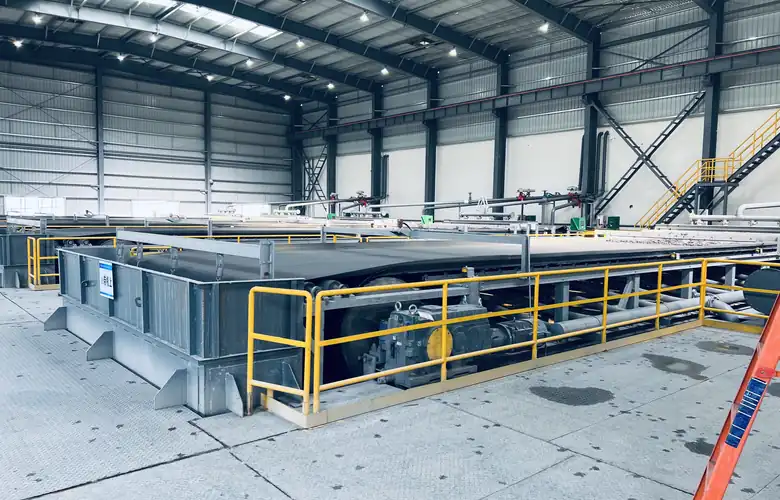
On a horizontal vacuum belt filter, slurry reaches moving filter cloth, liquid passes through under vacuum and the cake travels through the configured filtration, washing and drying zones before discharge. The plant should be able to supply and receive material in a way that suits continuous operation.
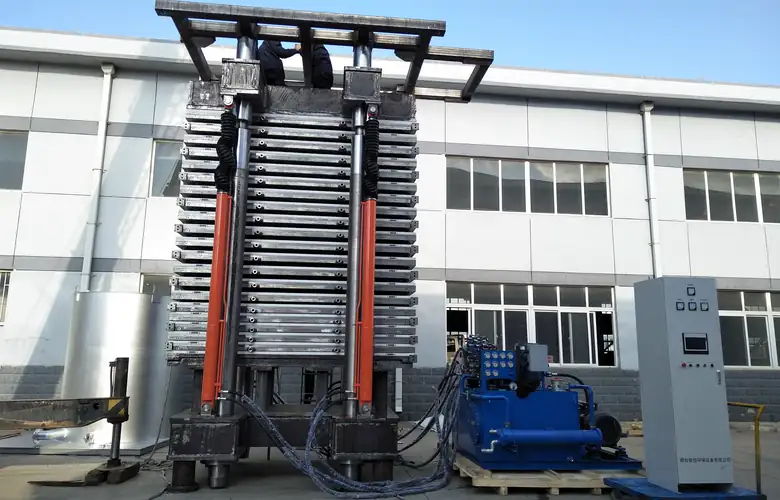
The TFP route brings feeding, pressure filtration, diaphragm pressing, optional washing, air drying and discharge into an automatic sequence. Review the complete sequence and the supporting feed and cake-handling arrangement. The filtration stage alone does not describe the time needed for a full cycle.
2. Compare the Same Slurry and Product Targets
Use representative samples and record feed solids, particle-size distribution, temperature and relevant chemistry. Include normal conditions and expected changes. Different feed conditions can make equipment proposals look more comparable than they really are.
Define the useful output: a cake that can be conveyed or handled, a filtrate suitable for its intended destination, and any washing requirement. Avoid choosing a route from a single moisture figure without its test conditions and measurement basis.
| Review point | Vacuum belt filter | Automatic pressure filter |
|---|---|---|
| Operating pattern | Continuous cake formation and discharge along the belt | Programmed feeding, filtration and discharge sequence |
| Testing focus | Cake formation, drainage, washing and release on the cloth | Cake formation, pressing, optional washing and cycle discharge |
| Capacity basis | Dry-solids loading, active area, belt settings and operating hours | Dry solids per complete cycle, cycle duration and operating hours |
| Plant interfaces | Feed distribution, vacuum, wash supply and cake receiving | Feed supply, pressure-cycle utilities, controls and cake receiving |
| Selection evidence | Representative vacuum filtration test results | Representative pressure filtration and cycle test results |
3. Make Cake Washing a Separate Decision
If washing matters, state what needs to be removed from the cake, the wash-liquid source and how the liquid streams will be collected. A moisture result alone does not confirm that the washing objective has been achieved.
For a belt route, review the wash zones and cake behavior as it travels across the filter. For a pressure route, review where washing fits in the cycle. Compare both options against the same product requirement and agreed test method. The gypsum cake-washing guide provides a specific application example; its process conditions should not be assumed to apply to every chemical slurry.
Review the Whole Pressure Cycle
Include feeding, pressing, any washing and drying, discharge and preparation for the next batch. The TFP working-cycle checklist explains the information needed for this review.
4. Compare Throughput on One Basis
Ask each proposal to state feed concentration, dry-solids load, required cake condition and operating schedule. Slurry flow and dry-solids throughput are different inputs; a shared flow figure does not establish an equal filtration duty.
For continuous filtration, review the settings and operating assumptions behind the proposed throughput. For pressure filtration, include every stage in the cycle. Confirm how cleaning, feed interruptions and planned maintenance are treated in the production estimate.
5. Check Layout, Utilities and Maintenance
Draw the feed, filtrate and cake routes before final selection. Check the space needed for auxiliaries, access and maintenance, as well as the machine itself. Discuss vacuum equipment and wash water for the belt route, and the configured feed, hydraulic and compressed-air systems for the TFP route.
Both routes also need a practical review of filter cloth, cleaning, inspection and cake release. Where upstream thickening is involved, provide the expected underflow range rather than one ideal value. See the mining thickener sizing guide for feed preparation considerations.
Prepare a Comparison Brief
- Material name, source process and representative sample availability
- Normal and peak feed flow, solids concentration and dry-solids loading
- Particle-size distribution, temperature and relevant chemical composition
- Cake-handling target, filtrate requirement and washing objective
- Operating hours, upstream feed arrangement and downstream receiving equipment
- Available layout, utilities, cleaning needs and automation interfaces
Frequently Asked Questions
Does a pressure filter always produce the better result?
No single equipment label establishes the best result. Compare representative tests, required cake and filtrate conditions, throughput and plant requirements together.
Can the same filtration area be used to compare the two routes?
Area alone is insufficient. The operating pattern, material response and time basis differ. Ask for a comparison against the same feed and production requirement.
Which route should be evaluated first?
Start from the existing process and available test evidence. Review a continuous belt route where continuous cake formation and washing are relevant, and a pressure-cycle route where those operating stages fit the duty. Confirm suitability with the supplier and representative testing.
Compare Filtration Routes for Your Slurry
Share your feed data, washing requirements and plant conditions for a project-specific equipment review.