
Ceramic Vacuum Filter Selection: Feed Properties and Test Data
Feed characteristics, filtration tests, cleaning needs and plant interfaces to review before selecting a ceramic vacuum filter.
Key Takeaways
- Prepare representative feed information before selecting filtration area.
- Define cake and filtrate requirements separately.
- Evaluate cleaning and discharge alongside filtration performance.
- Compare proposals using the same material data and supply boundary.
Selecting a ceramic vacuum filter starts with understanding the slurry and the result the plant needs. A filtration-area figure can help compare equipment sizes, but it does not establish whether a particular concentrate will form a suitable cake, discharge consistently or meet the required handling condition.
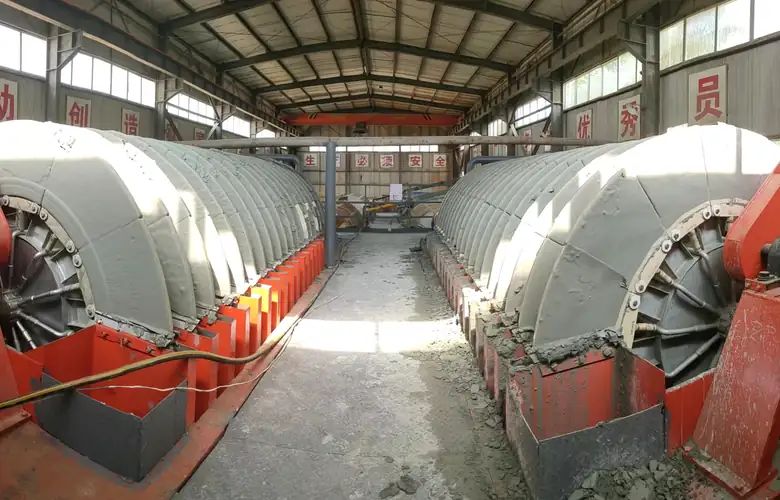
Hexin’s DF Ceramic Filter uses microporous ceramic plates in a rotating filtration cycle. Slurry contact, cake formation, vacuum dewatering, scraper discharge and plate cleaning work together. Equipment selection should therefore review the feed, test observations and plant interfaces as one process.
Define What the Filter Must Deliver
Begin with the production requirement. Record dry-solids capacity, operating hours and the normal range of feed conditions. State whether a flow figure refers to the slurry or the dry solids; the two values describe different parts of the duty.
Then define the cake requirement. The next handling step may involve conveying, storage or further processing. Specify the required moisture measurement basis and any handling requirement that must be checked during testing.
Treat the filtrate as a separate stream. If the plant plans to reuse it, describe the intended destination and the information needed to assess its suitability. Recovering filtrate does not by itself establish that the liquid meets a particular reuse specification.
Prepare a Representative Feed Profile
Provide the material name and its source process, feed-solids concentration, particle-size information, temperature, pH and relevant chemistry. Identify normal variation rather than describing only one favorable operating condition.
A useful sample should represent the feed expected at the filter. If upstream operations change the slurry, explain those changes when arranging the test. This helps the supplier understand what the observations do and do not represent.
The preparation checklist should include:
- Material and source process.
- Feed concentration and available particle-size data.
- Required dry-solids capacity and operating schedule.
- Temperature, pH and relevant material-compatibility information.
- Cake-handling and filtrate-recovery objectives.
Observe the Complete Filtration Cycle
The test should support more than an initial observation that liquid passes through a ceramic plate. Review cake formation, vacuum dewatering, release during discharge and the cleaning arrangement needed to maintain operation.
Record the feed condition and test method alongside each result. Useful observations include filtration behavior, cake moisture, discharge condition and filtrate characteristics. Where cleaning performance is evaluated, record the cleaning method and the conditions under which the observation was made.
Results should be compared against the plant’s agreed requirements. A moisture figure from one material or test condition should not be transferred to a different slurry as an equipment guarantee.
Include Cleaning in the Selection Review
Hexin’s product range includes cleaning arrangements that can be reviewed according to the material and project scope. Discuss backwashing, available cleaning-water supply and any proposed additional cleaning functions when comparing configurations.
Confirm which items are included in the supplier’s scope and which utilities the plant must provide. The proposal should also identify the operating and maintenance information needed for the selected ceramic plates.
For an existing machine with changing performance, see our separate guide to ceramic plate fouling and vacuum loss. That maintenance topic is different from establishing the configuration for a new project.
Check Equipment and Plant Interfaces
After reviewing material data and test results, discuss filtration area, ceramic plate arrangement, vacuum and filtrate systems, controls and the discharge interface. Check installation space and access for inspection and maintenance.
The equipment boundary should be clear. Feed delivery, utilities, filtrate collection and downstream cake handling need to fit the proposed filter. A complete comparison should state the equipment, accessories and services included, rather than comparing model names alone.
Frequently Asked Questions
Can a ceramic filter model be selected from capacity alone?
Capacity is an important input, but the feed properties, cake requirement, filtration behavior and cleaning arrangement also need review. Material testing supports the final configuration.
Does fine slurry automatically mean ceramic filtration is suitable?
Suitability should be assessed for the actual material and process requirements. A broad material description does not replace representative feed information and test results.
What should be sent with an equipment inquiry?
Provide the material, feed concentration, available particle-size data, required capacity, cake target, operating schedule and project location. Include sample or test information when available.
Discuss Your Concentrate Filtration Duty
Explore Hexin’s DF Ceramic Filter and mineral concentrate filtration solution. Share your feed data and process requirements so that the filtration route and equipment scope can be reviewed together.
Review Your Ceramic Filtration Duty
Share your feed properties, capacity and cake-handling requirements with Hexin.