
Mining process solution
Tailings Dewatering & Dry Discharge
A process route for filter cake handling and water recovery
Tailings vary by mineral, particle size and feed concentration. Hexin reviews the material and site conditions before recommending thickening, filtration and discharge equipment as a coordinated process.
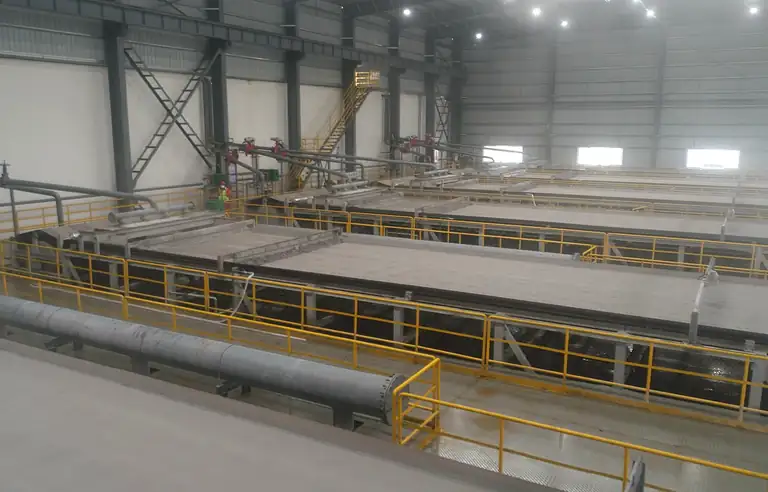 Wengfu Group project site reference
Start with the material
What the tailings process must resolve
Dry discharge is a system objective, not a single-machine specification. These conditions determine whether pre-concentration is needed and which filtration route should be tested.
Solids concentration, particle size and mineral composition affect settling, cake formation and equipment loading.
The required moisture and discharge method depend on transport, stacking, backfill or further treatment plans.
Filtrate reuse, available space, utilities, automation and operating schedule shape the plant layout.
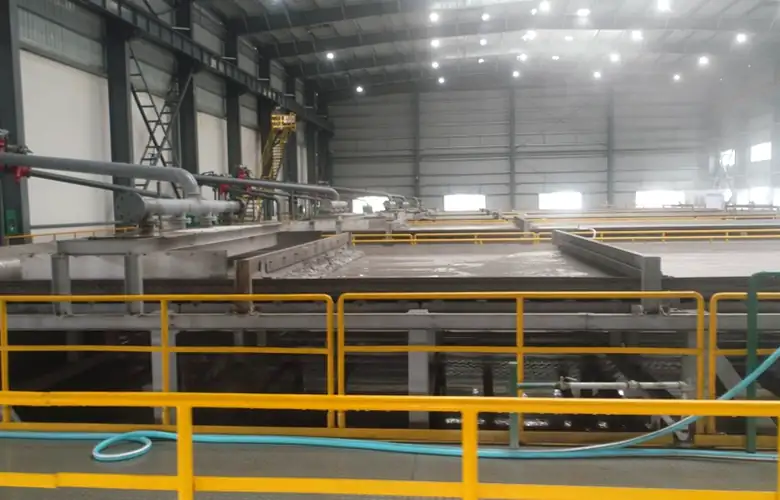
Process selection
One objective. Several possible routes.
A workable dry-discharge route is selected from test results and site requirements. The sequence below describes the engineering decisions; it is not a fixed package for every mine.
Characterize
Review material, throughput, feed solids, particle size and the required cake and water outcomes.
Pre-concentrate?
Assess settling and feed stability. Add thickening where it improves downstream filtration and water recovery.
Select filtration
Compare feasible vacuum, ceramic or pressure routes against test results, capacity and cake requirements.
Integrate discharge
Coordinate cake removal, conveying or stacking with filtrate collection, controls and site utilities.
Equipment configuration and achievable results must be confirmed through representative material testing and project engineering.
Equipment in the process
Build the equipment package around the material
Where testing supports it, thickening and filtration can be combined with cake discharge and process-water recovery. Each unit is selected for a defined role in the route.
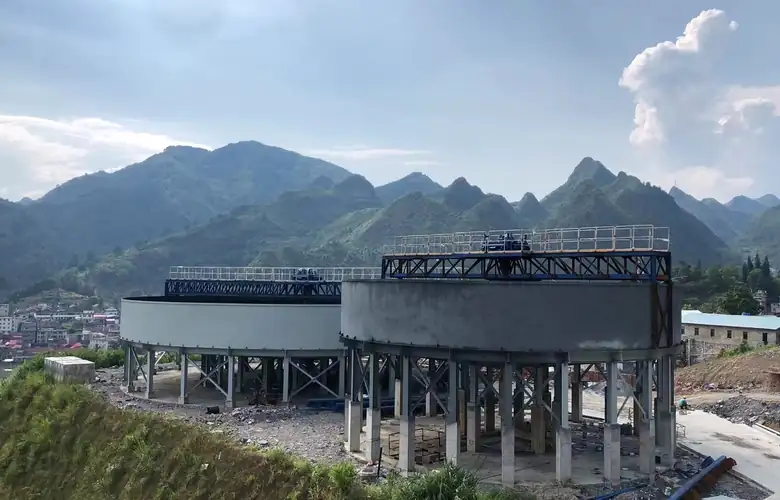
NGZ High Efficiency Thickener
Possible upstream concentration and process-water recovery where settling tests support thickening.
Explore Thickener →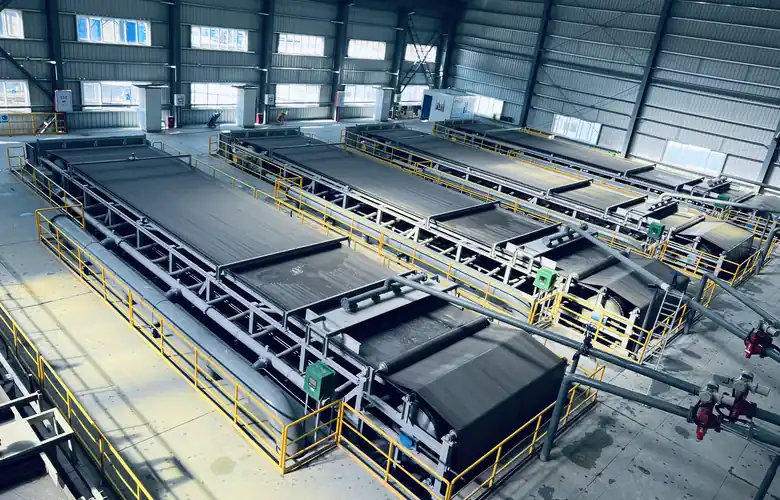
Horizontal Vacuum Filter
Continuous filtration, drying and cake discharge where material testing supports a vacuum-belt route.
Explore Filter →For other material and cake requirements, DF Ceramic Filter → or TFP Pressure Filter → may also be evaluated. Final selection is project-specific.
Project evidence
Related tailings project references
These cases show relevant equipment and site context. Their process conditions and results should not be assumed to apply unchanged to a new material.
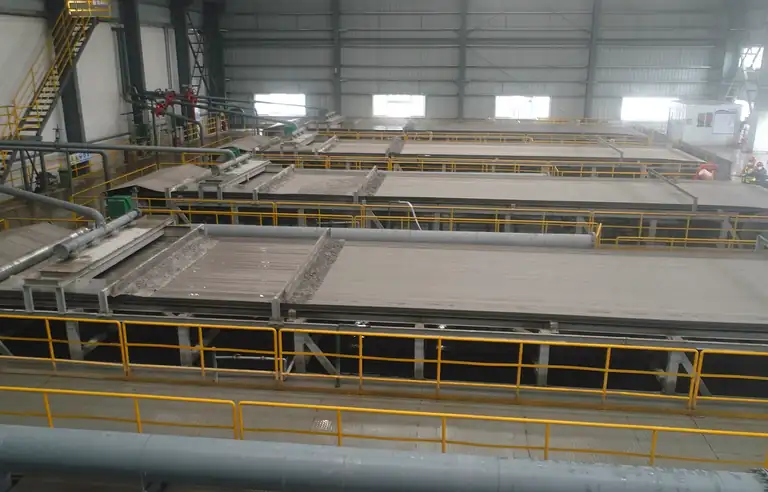
Wengfu Group Dry Stack Project
Site reference for tailings slurry dewatering and belt-filtration equipment in phosphate and fertilizer production.
View Case →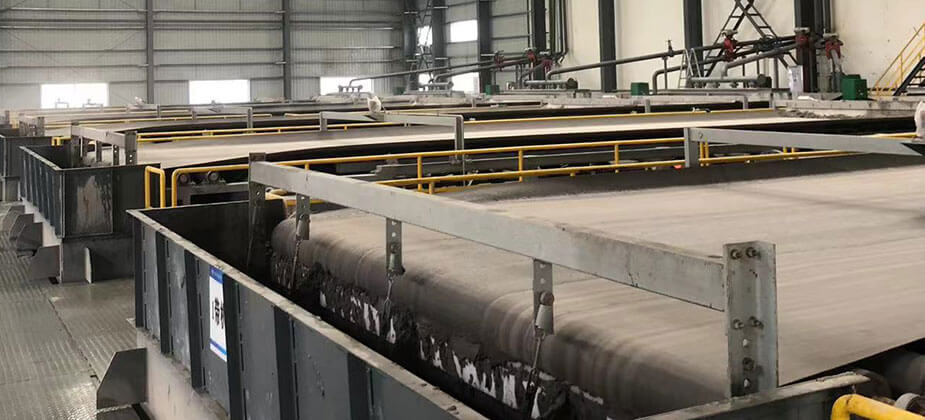
Phosphor Tailings EPC Project
A phosphor-tailings project record showing filtration equipment, delivery scope and application context.
View Case →From selection to operation
Define the delivery scope early
Hexin can discuss different levels of support for suitable projects. Confirming interfaces early helps avoid gaps between equipment supply and site implementation.
Technical review
Evaluate representative material data, capacity, target outcomes and available test results.
Equipment & process scope
Confirm equipment combination, utilities, automation interfaces and the responsibilities of each supplier.
Delivery & commissioning
Agree manufacturing, factory checks, installation support, commissioning and training according to the contract scope.
Discuss your project
Planning a tailings dewatering route?
Tell us what material you need to treat and what the downstream operation requires. Our team can review suitable process and equipment options with you.
- Material, solids concentration and available sample or test data
- Hourly or daily capacity and operating schedule
- Target cake handling, moisture and process-water reuse needs
- Project country, site utilities and expected supply scope