
Chemical Slurry Filtration Equipment: Preparing a Materials Compatibility Brief
Prepare a clear chemical-duty brief, a wetted-parts review and a proposal checklist before specifying slurry filtration equipment.
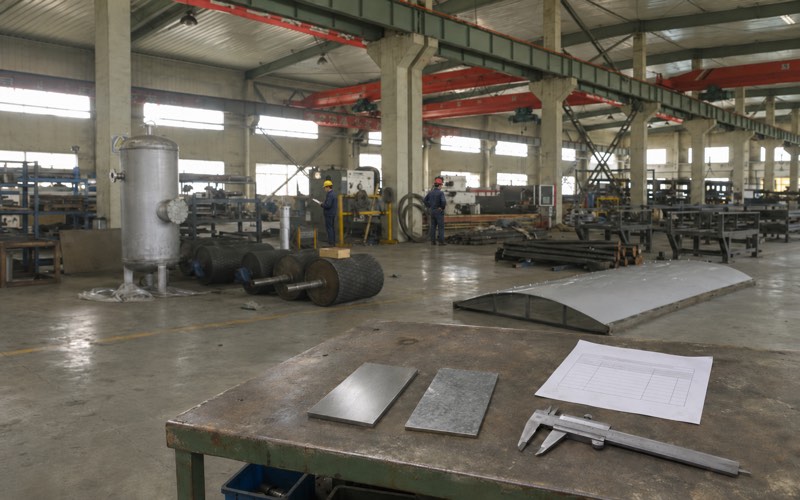
When buying chemical slurry filtration equipment, prepare a materials compatibility brief alongside the filtration duty. Give the supplier the process-liquid information, identify which parts contact each stream and ask for a documented materials proposal. This helps purchasing and engineering teams compare equipment offers on a common basis.
This guide provides an enquiry structure. The final material grades, operating limits and equipment configuration are established through project engineering and appropriate verification.
Start with the complete liquid environment
Record chemical names, concentrations, temperature range and relevant impurities for the process liquid. Include known variations and previous corrosion observations. Alleima’s corrosion-test guidance explains why laboratory results require careful interpretation against actual service conditions. A broad description such as “acidic slurry” gives insufficient detail for a materials review.
Put the information in a dated process document. Name the source of each value, identify measured results and mark values awaiting confirmation. Keep a revision number so the supplier can state exactly which duty was used in its proposal.
Give filtration, washing and cleaning separate rows
Use a stream register to organize the enquiry. The following is a buyer’s document template. Complete the applicable rows with project information and ask the engineering team to confirm any additional streams.
| Stream or operating stage | Information to attach | Document reference |
|---|---|---|
| Slurry feed and mother liquor | Composition, concentrations, temperature range and relevant impurities | Process specification and laboratory report |
| Cake-wash liquid, if required | Liquid identity, composition and operating conditions | Washing-duty sheet |
| Cleaning stage | Cleaning agents, dilution, temperature, contact time and rinse sequence | Proposed cleaning procedure |
| Known process changes | Describe each change and identify which equipment sections it reaches | Operating-case register |
For example, the buyer can assign document codes FEED-01, WASH-01 and CLEAN-01 and request that the supplier reference these codes in its review. These are suggested document labels, with no assumed chemical values or actual customer case behind them.
Request a component-by-component materials schedule
Ask for a schedule covering the proposed equipment’s product-contact surfaces and other relevant exposed components. “Wetted parts” means parts that contact the process liquid or slurry. Have the supplier identify the applicable parts on its arrangement or process drawing.
The enquiry can request the component name, proposed material designation, applicable stream references, supporting document and outstanding qualification for each item. Keep structural members and wetted components clearly identified in the schedule so a general description such as “stainless steel construction” can be reviewed precisely.
Include seals and other nonmetallic items in that review. Parker’s O-Ring Handbook treats operating temperature and compatibility with the sealed medium as key inputs to elastomer selection. Ask the supplier to identify the proposed compound and its applicable duty, supported by suitable technical information.
Keep the materials review linked to equipment selection
The materials brief is one part of the equipment enquiry. Attach feed rate, solids concentration, particle-size information, required cake condition, washing objective and available filtration-test records in the same package.
Hexin’s chemical slurry filtration overview introduces the process routes. Depending on the tested duty, the equipment review may include a horizontal vacuum filter or a TFP vertical automatic pressure filter. Request a project-specific explanation of the proposed route and its materials scope.
If a pressure-filter trial is being planned, use the pilot-test recording guide to organize the filtration evidence. Track filtration results and materials qualifications as separate items within the same equipment review.
Use a short proposal-review checklist
- Does the offer identify the revision of the process and cleaning documents reviewed?
- Is there a materials schedule covering the proposed equipment scope?
- Are supporting references, further tests and unresolved items identified?
- Are supplied auxiliaries and site interfaces clearly allocated?
- Are the agreed operating conditions and inspection documents recorded?
Assign an owner and next action to every open item. Before confirming the equipment specification, bring the process brief, filtration evidence and supplier’s materials schedule into one reviewed package. Share the available documents with Hexin to begin the equipment discussion.
Discuss Your Chemical Slurry Filtration Duty
Share your process-liquid information, filtration requirements and available test reports to begin an equipment review.