
What the Tongbai Ceramic Filter Project Can Tell Buyers About Concentrate Dewatering
Hexin’s Tongbai project illustrates how a ceramic filtration installation fits into mineral concentrate dewatering. Here are the questions to take into your own equipment review.
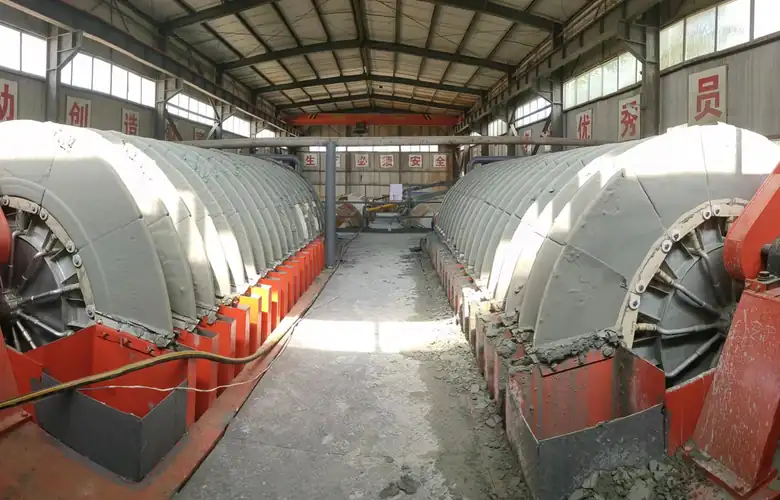
A project photo can show how filtration equipment is arranged on site. The next question for a buyer is whether a similar route fits their own concentrate. Hexin’s Tongbai ceramic filter project provides a reference for ceramic filtration in mineral processing. Use it to frame the equipment and site review, then use material tests to establish the requirements for your plant.
Start with the cake and filtrate
Define how the concentrate cake will be handled after discharge. A plant that conveys cake to storage may have different requirements from one that sends it directly to the next process. Record the target moisture range, how moisture will be measured and what a usable cake needs to do at the discharge point.
Give the filtrate its own specification. State whether it will return to the process or go to another treatment stage, and what liquid quality that destination requires. Both outputs belong in the equipment review.
Review the whole ceramic filtration cycle
In a DF ceramic vacuum filter, rotating ceramic plates pass through the slurry. Vacuum draws liquid through the porous plates, leaving solids on the surface. The cake continues to dewater as the plates rotate out of the slurry. A scraper removes the cake, and backwashing or a configured cleaning stage helps maintain plate permeability.
When reviewing test data, ask how cleanly the cake releases and whether filtration remains consistent over repeated cycles. A test that produces a satisfactory cake once leaves practical questions about cleaning, restart behavior and changes in the feed.
Use the site reference to check the layout
Review the Tongbai photos with a plant layout at hand. Trace the feed line to the filter, the filtrate route to its collection point and the cake path to the receiving equipment. Check the working space around the drive and discharge side and the access needed for plate inspection and replacement.
For an existing plant, mark the space available for piping, cleaning utilities and maintenance. Agree where Hexin’s equipment scope ends and the plant’s feed, water return and cake handling systems begin. These decisions will affect the installation layout and what the supplier needs to include in the proposal.
Prepare a short concentrate data sheet
Before requesting a model recommendation, share the following:
- Concentrate type, representative samples and expected changes in feed.
- Feed solids concentration and particle size distribution.
- Normal and peak throughput on a dry solids basis, plus planned operating hours.
- Target cake moisture range and the way the cake will be handled.
- Filtrate destination, required liquid quality and available cleaning water.
- Existing test results covering cake formation, release and plate cleaning.
Hexin’s ceramic filter feed and test data guide explains how to organize those inputs. The mineral concentrate filtration page also outlines the ceramic, vacuum belt and pressure filtration routes that can be evaluated.
Planning a concentrate dewatering project?
Share your material, capacity and cake handling requirements to discuss test work and equipment selection.