
Environmental process solution
Industrial Wastewater & Sludge Dewatering
Select thickening and filtration around sludge behavior
Industrial wastewater and sludge streams change with upstream production. Hexin reviews solids loading, settling behavior, cake handling and water-reuse needs before recommending thickening and dewatering equipment.
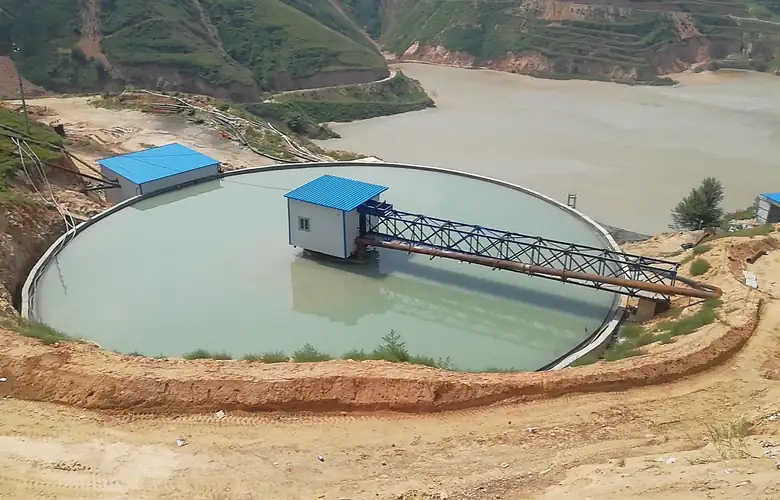 Hexin thickener equipment reference
Start with the material
Control variability before selecting a machine
Wastewater quality and sludge handling vary by process. The route must be based on representative samples, operating duty and a defined outlet for both cake and filtrate.
Solids concentration, particle size and upstream process changes affect thickening and filtration.
Cake transport, reuse or disposal requirements set the practical dewatering objective.
Overflow or filtrate quality, reuse and discharge limits must be considered alongside solids separation.
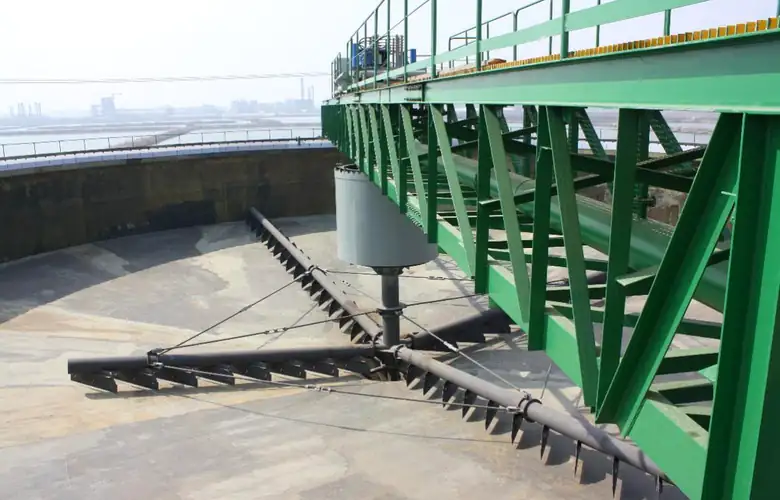
Process selection
Treat solids and liquid as one system
A workable route considers settling or conditioning, filtration, cake removal and the water circuit together. Exact steps depend on the sludge.
Characterize
Measure solids load, settling behavior and variability across operating periods.
Condition or thicken
Assess whether upstream treatment stabilizes the filter feed and recovers water.
Select dewatering
Compare feasible belt or pressure filtration against cake and filtrate targets.
Plan outlets
Specify cake transport, filtrate return, controls and operator checks.
Final equipment configuration and achievable results require representative material testing and project engineering.
Equipment in the process
Equipment within a tested route
NGZ thickening and TFP pressure filtration are possible elements of a sludge route, subject to settling and filterability tests.
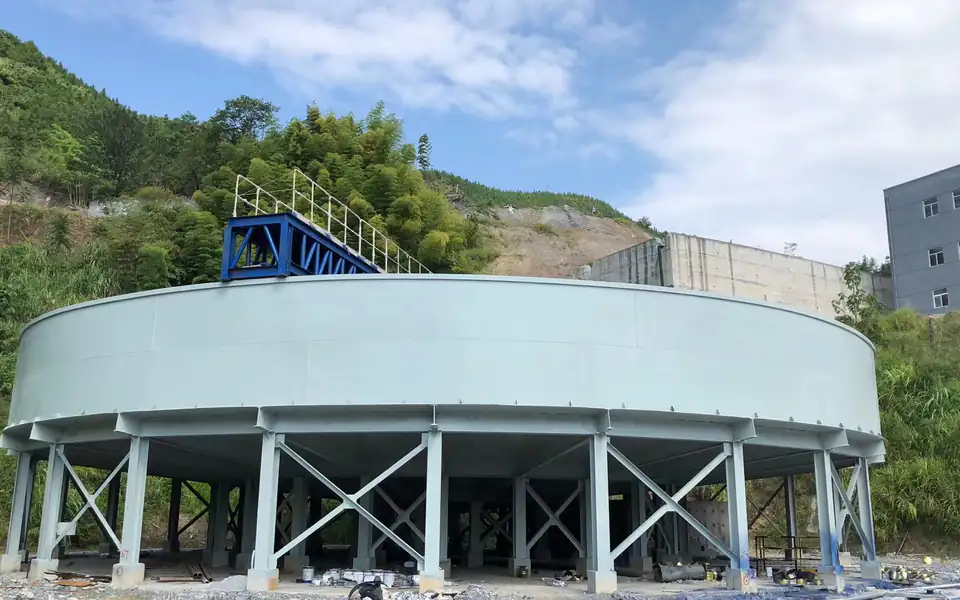
NGZ High Efficiency Thickener
An upstream concentration and water-collection option where settling tests support it.
Explore Equipment →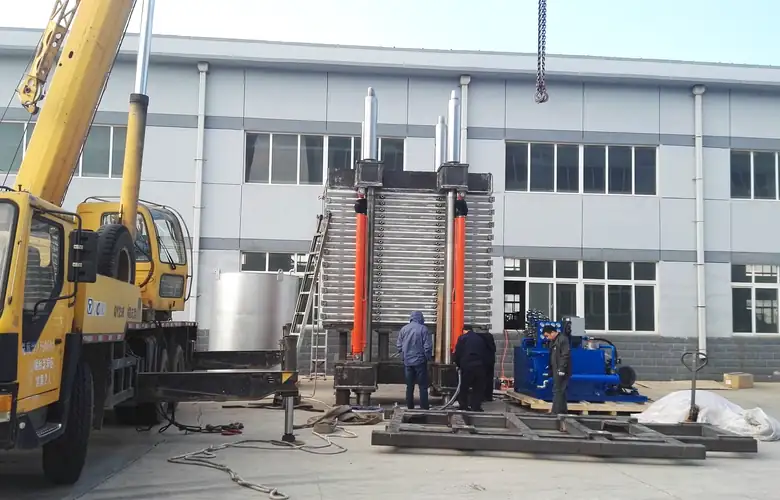
TFP Vertical Automatic Pressure Filter
A pressure-dewatering option to evaluate for sludge with suitable conditioning and cycle behavior.
Explore Equipment →Belt filter press or horizontal vacuum filtration may also be considered after testing. Confirm chemical conditioning and material compatibility before final selection.
Proof before specification
What must be checked in sludge testing
Representative samples and agreed acceptance criteria are needed to evaluate cake handling and filtrate quality.
Feed profile
Collect solids concentration, particle distribution, pH, temperature and variation over time.
Trial results
Measure settling, filterability, cake handling and filtrate quality at realistic duty.
Site acceptance
Define operating hours, polymer or reagent use, cake destination and water outlet requirements.
From selection to operation
Define the whole treatment interface
Hexin can review the feasible equipment scope for suitable industrial applications once the feed and site constraints are clear.
Process review
Compare representative sludge samples with the required solids and water outcomes.
Equipment package
Specify thickener or filter, auxiliaries, controls and maintenance access.
Commissioning plan
Agree factory checks, installation interface, testing and operator training by contract.
Discuss your project
Planning a sludge dewatering project?
Send a representative feed description and outlet requirements so the equipment route can be evaluated responsibly.
- Wastewater source, sludge type and solids concentration
- Hourly or daily flow, dry-solids load and operating schedule
- Cake destination, target moisture and filtrate or water quality needs
- Project country, utilities and expected equipment scope